
Parks and Sanctuaries
Parks and Sanctuaries
Bihar is home to a remarkable network of protected natural spaces, including one national park, eleven wildlife sanctuaries, and several bird and river sanctuaries spread across its diverse landscapes. From the tiger-rich Himalayan Terai forests of Valmiki National Park to the geothermal hot springs of Bhimbandh Wildlife Sanctuary, each protected area offers a unique ecological experience. The mighty Kaimur Wildlife Sanctuary, Bihar's largest, shelters ancient rock art alongside rare wildlife, while Kanwar Jheel — Asia's largest freshwater oxbow lake — serves as a critical winter haven for migratory birds. The Vikramshila Gangetic Dolphin Sanctuary protects India's endangered national aquatic animal along the sacred Ganga. Rich in biodiversity, mythology, and natural beauty, Bihar's parks and sanctuaries are a treasure waiting to be explored by nature lovers and wildlife enthusiasts alike.
Bhimbandh Eco-Tourism Site
1. Eco-Tourism at Bhimbandh
Eco-Tourism refers to sustainable and nature-based tourism activities centered around Bhimbandh Wildlife Sanctuary, a vast wildlife sanctuary and ecological hotspot in Munger district, Bihar. The idea of eco-tourism here is to allow visitors to experience pristine natural landscapes, biodiversity, hot springs and cultural traditions while conserving the environment and improving local livelihoods. Eco-tourism is a responsible, low-impact approach to travel that benefits local communities, protects habitats, and educates visitors about environmental conservation and cultural heritage — distinct from mass tourism. Bhimbandh is especially suited for eco-tourism because of its rich forests, hot springs, diverse wildlife, scenic landscapes and mythological history, making it one of Bihar’s most promising natural destinations.
2. Geography and Natural Environment
Bhimbandh Wildlife Sanctuary is located in the south-west of Munger district in Bihar (around 56 km from Munger town). It lies on the northern edge of the Chota Nagpur Plateau, south of the Ganges River and near the border with Santhal Pargana. The sanctuary covers a vast area of approximately 680 square kilometres, including undulating hills, plateaus, deep valleys, forests and riverine terrain. This varied topography gives Bhimbandh a scenic beauty unlike most other destinations in the region.
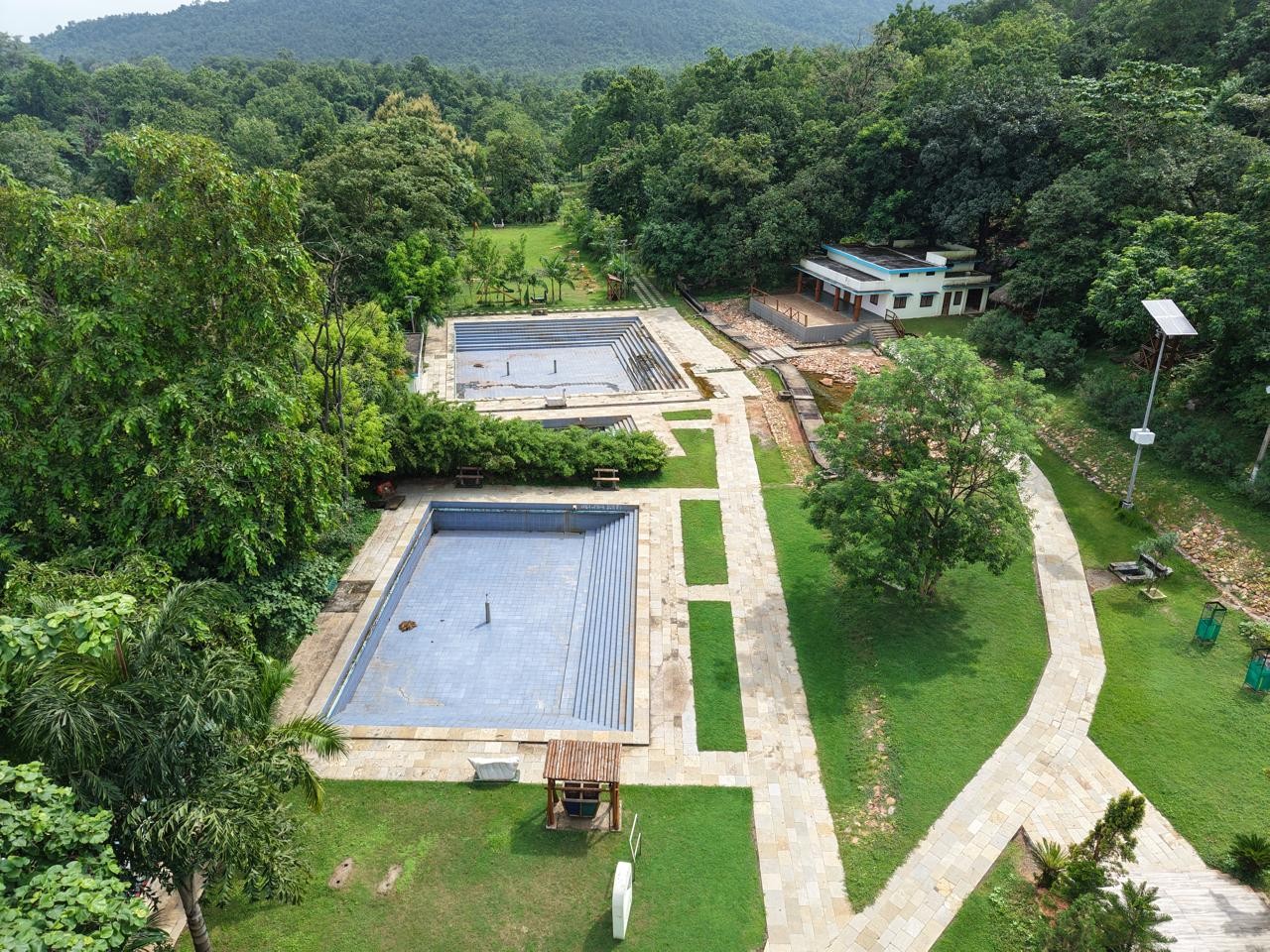
Climate & Best Time to Visit
- Climate: Subtropical with hot summers and cool winters.
- Best Season: October to March, when temperatures are pleasant and wildlife viewing is more comfortable.
3. History and Cultural Significance
The name “Bhimbandh” comes from Bhim, one of the five Pandava brothers in the epic Mahabharata. According to legend, during their exile, Bhim built a “bandh” (dam) across a stream in this area to create shelter for the group — and remnants of the ancient structure are still shown by locals. This mythological association makes the place culturally significant, linking natural beauty with India’s ancient heritage. Such traditions enrich visitors’ experience by connecting them to stories, faith and local folklore.
5. Unique Feature: Hot Springs
One of Bhimbandh’s biggest attractions is its natural hot water springs — warm springs that maintain almost the same temperature throughout the year. Some key springs include:
Bhimbandh supports a variety of mammals and birds, including:
- Bhimbandh spring – the hottest (52 °C to 65 °C) with significant geothermal potential.
- Sita Kund & Rishi Kund – smaller springs also rich in warm water and scenic appeal.
These springs are believed to have therapeutic properties, attracting visitors seeking wellness benefits. They also offer interesting geology and scientific value.
6. Attractions and Activities
Eco-tourism at Bhimbandh isn’t just about sightseeing — it’s about experiences. Here are some key activities and places to explore:
- Bird Watching & Wildlife Viewing
Wetlands, lakes and forest edges are great for spotting native and migratory birds. - Forest Experiences
Visitors can explore dense forests, enjoy picnics, and learn about flora and fauna with local guides. - Photography and Scenic Views
With rolling landscapes, waterfalls and natural beauty, the sanctuary is a photographer’s delight.
Nearby Tourist Spots
Places close to Bhimbandh that add variety to your trip include:
- Kharagpur Lake
- Rishi Kund & Sita Kund
- Rameshwar Kund
7. How to Reach Bhimbandh Eco-Tourism Spot
Bhimbandh is accessible by road from major towns:
- By Air
Nearest major airport: Patna Airport (~200 km from the sanctuary).
- By Train
Jamui Railway Station (~20 km),
Bariarpur Railway Station are the closest railheads.
- By Train
Regular buses and private vehicles can reach Bhimbandh from Munger and nearby towns.
8. Present Facilities & Visitor Infrastructure
As part of its current eco-tourism development, Bhimbandh offers:
- Forest rest houses
- Eco-tourist centres and hot water tanks (for bathing and wellness)
While these are basic now, plans are underway (see next section) to enhance them significantly.
9. Future Development & Eco-Tourism Plans
The Bihar government has recently approved a big plan (around ₹54 crore) to turn Bhimbandh into a major eco-tourism destination by adding:
Visitor-Friendly Infrastructure
- Tree house cottages & eco-lodging
- Wellness zones, Ayurveda village, spa
- Indoor activity area & restaurants
Adventure & Nature Activities
- Trekking paths
- Viewpoints and mountain gazebos
- Forest experience centres
Tourist Facilitation
- Visitor centres at entry points
- Branding and eco signage
- Parking and improved access routes
Local Economic Boost
- Encouraging farming, handicrafts
- Job creation for local residents
- Training and skill development centres
This development seeks not just to attract tourists, but also to sustain the ecosystem and improve local livelihoods — core goals of eco-tourism.
10. Why Bhimbandh Is Special for Eco-Tourism
Flora & Fauna:-The sanctuary is noted for its richly diverse ecosystem — one of the reasons it draws nature lovers:
Bhimbandh supports a variety of mammals and birds, including:
- Biodiversity Hotspot
The sanctuary’s mix of forests, hills and water bodies supports a wide variety of life — from mammals and birds to reptiles and insects. - Mythological Roots
Ties to the Mahabharata give Bhimbandh rich cultural and storytelling value. - Unique Natural Springs
Few places in India have natural hot springs integrated into forest landscapes — making it a rare destination for nature fans. - Sustainable Tourism Focus
Unlike crowded commercial sites, Bhimbandh emphasizes low-impact tourism that respects wildlife and local culture.
11. Practical Tips for Visitors
- Wear comfortable shoes for trekking and forest walks.
- Carry water and snacks, especially in remote areas.
- Respect local wildlife and forest rules.
- Visit in winter months for pleasant weather.
12. Conclusion
Bhimbandh Eco-Tourism isn’t just another tourist spot — it’s an immersive journey into nature, history and community life. With its vast forests, wildlife, hot springs and scenic beauty, it has the potential to become one of Bihar’s top eco-tourism destinations. Ongoing improvements promise a blend of adventure, relaxation, culture and sustainability, making Bhimbandh a must-visit for nature enthusiasts, families, researchers, and eco-travelers alike.
Gogabeel Conservation and Community Reserve, Katihar
Gogabeel Conservation and Community Reserve, Katihar
Bihar's Premier Birdwatching Wetland • Ramsar Site
Designated Ramsar Site – November 2025
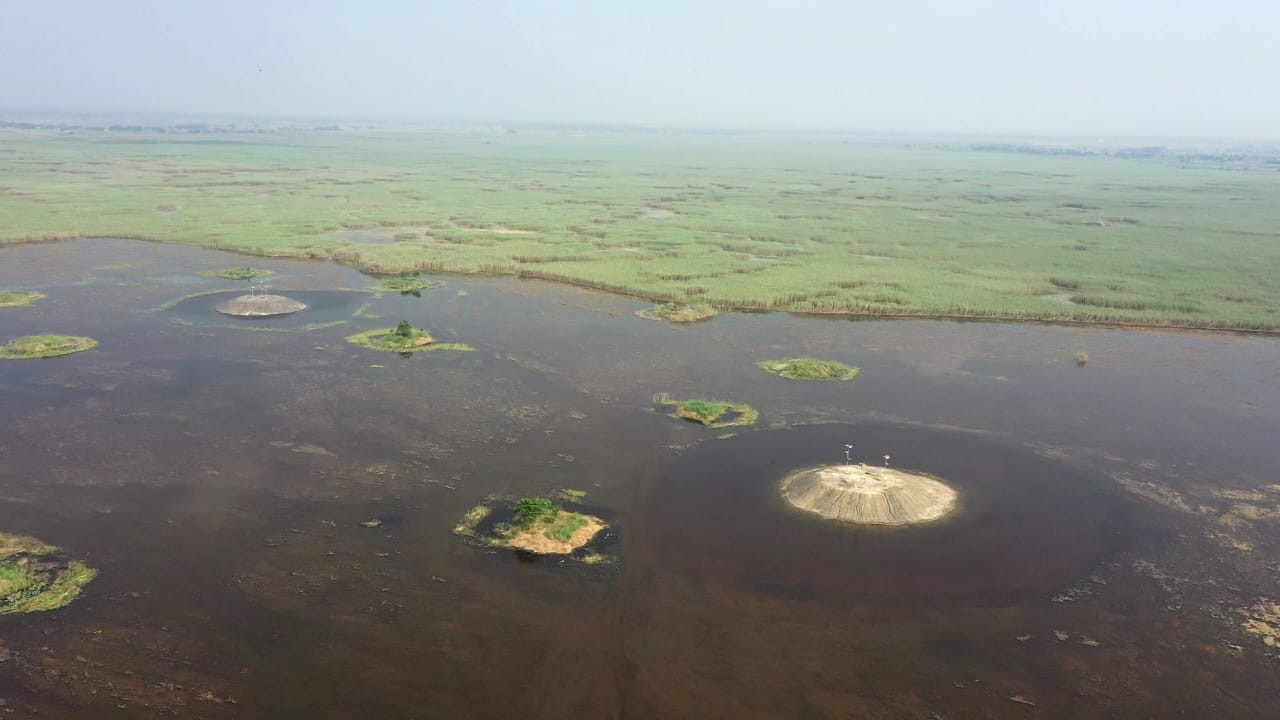
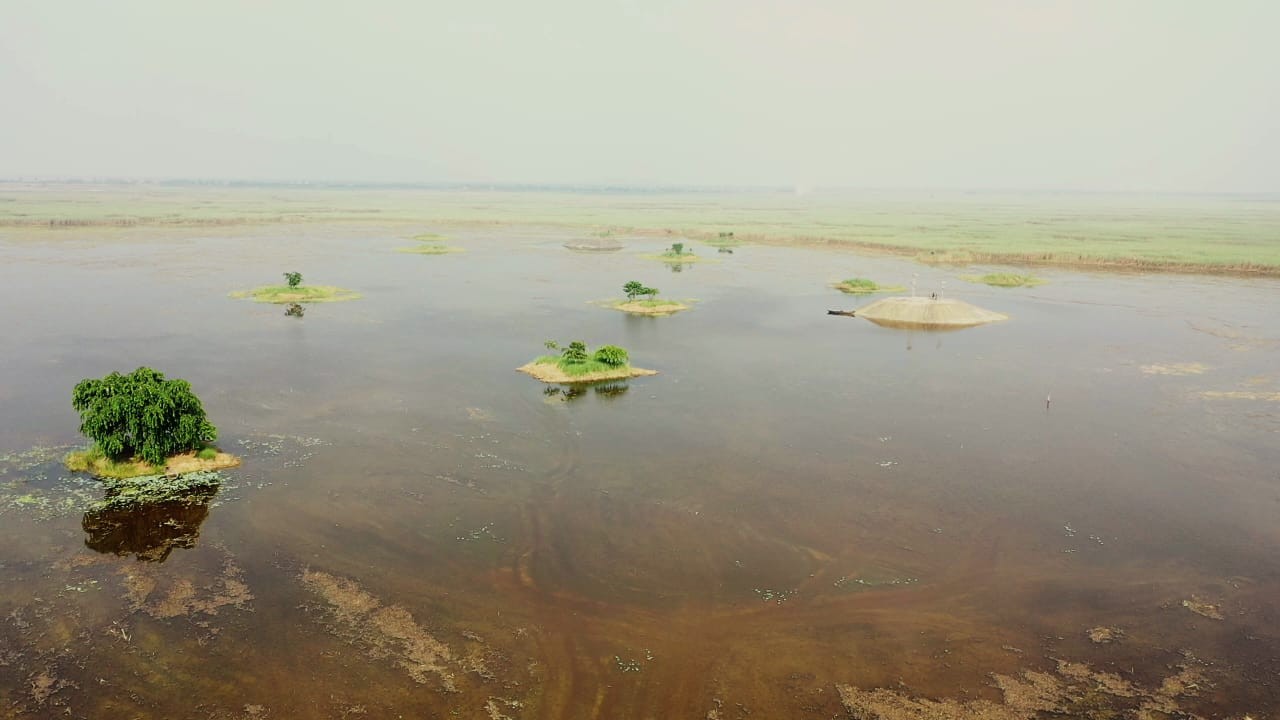
Gogabeel Conservation and Community Reserve, is located in Katihar District of Bihar, and is situated 35 km from District Headquarter. It was declared as Community Reserve in 2019. It covers an area of 214.07 acres out of which 140.29 acres is of community reserve and 73.78 acres of conservation reserve. The Reserve has been designated as a Ramsar site in Nov 2025.
Spread across a vast oxbow lake formed by the changing course of the Mahananda River, it is widely recognized for its rich avian diversity. The wetland attracts a large number of resident and migratory birds each year. Species commonly observed include Asian Openbill Stork, Egrets and Herons, Cormorants, Kingfishers.
Kaimur Wildlife Sanctuary
Kaimur Wildlife Sanctuary
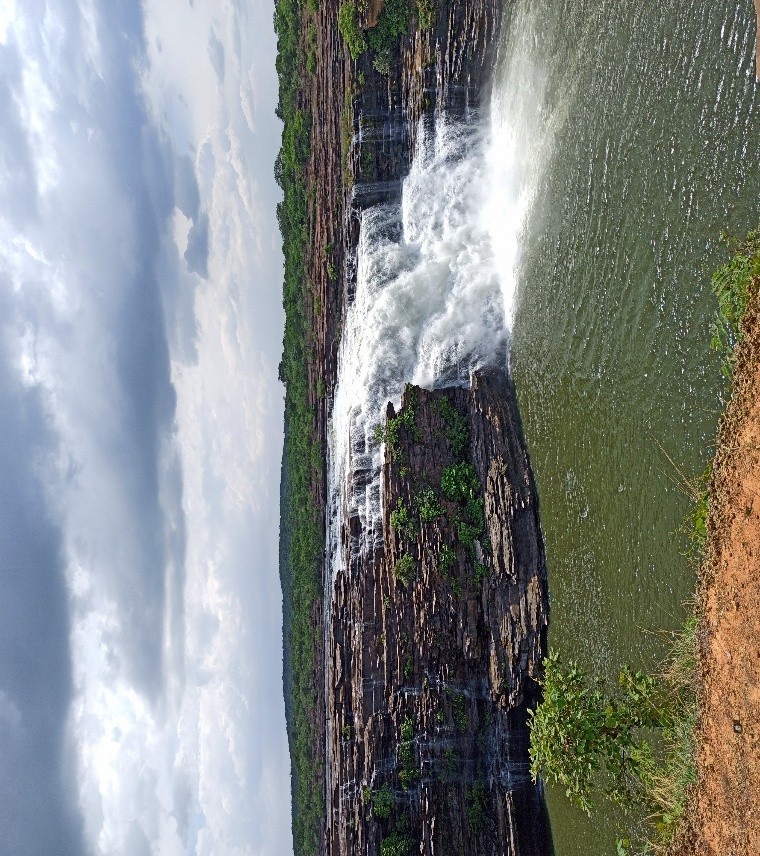
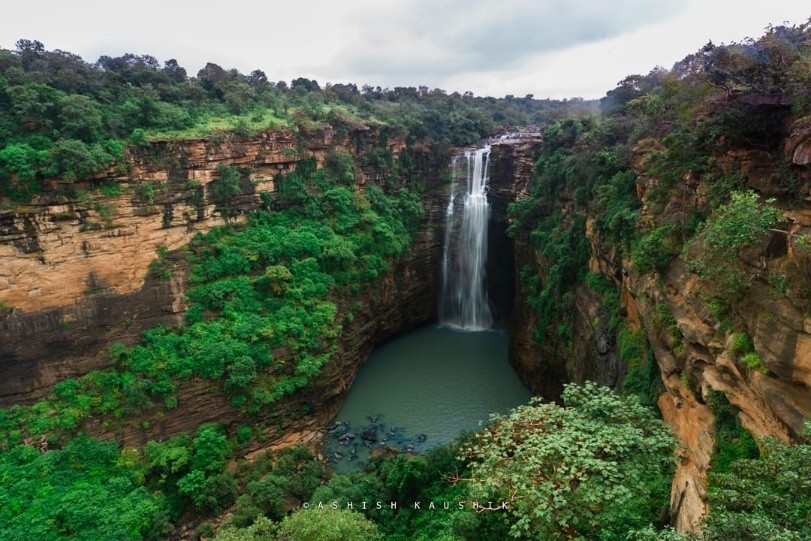
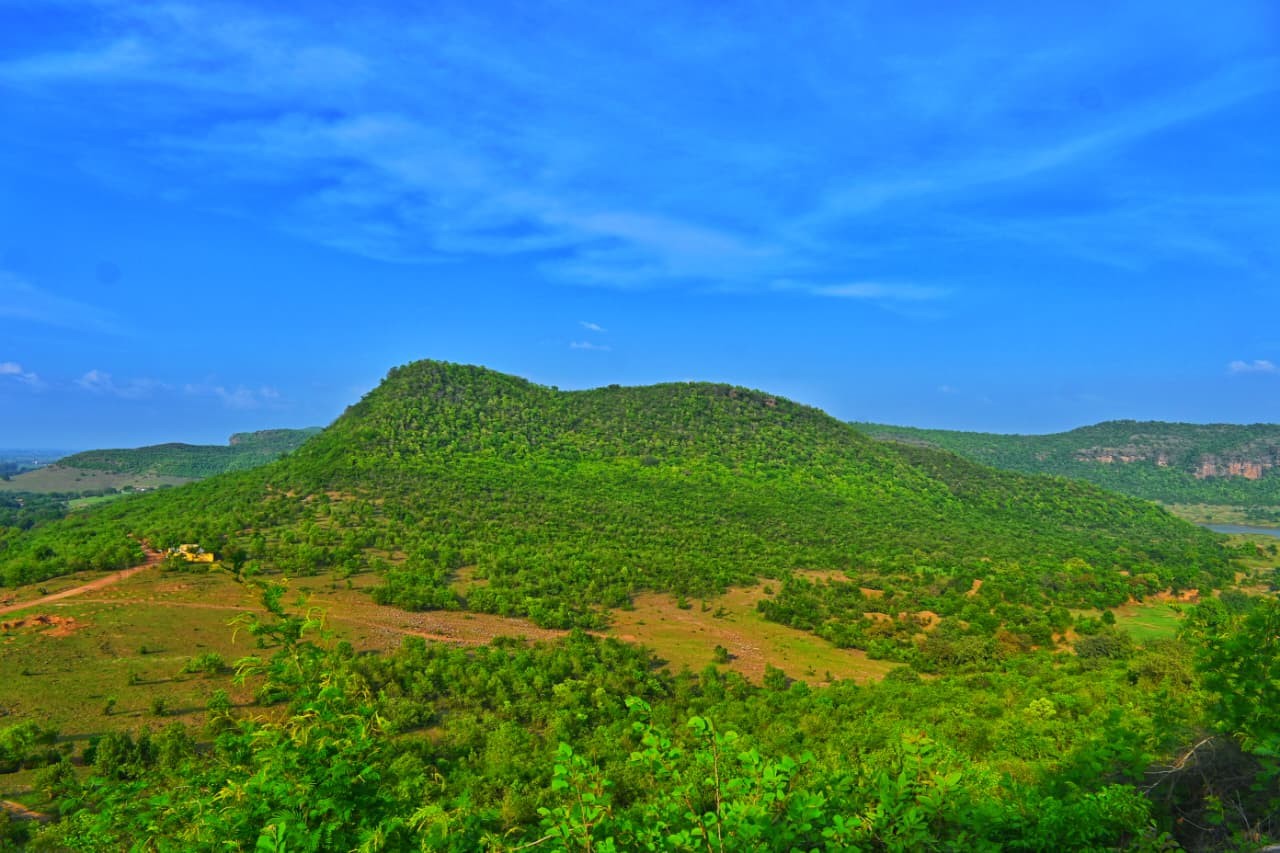
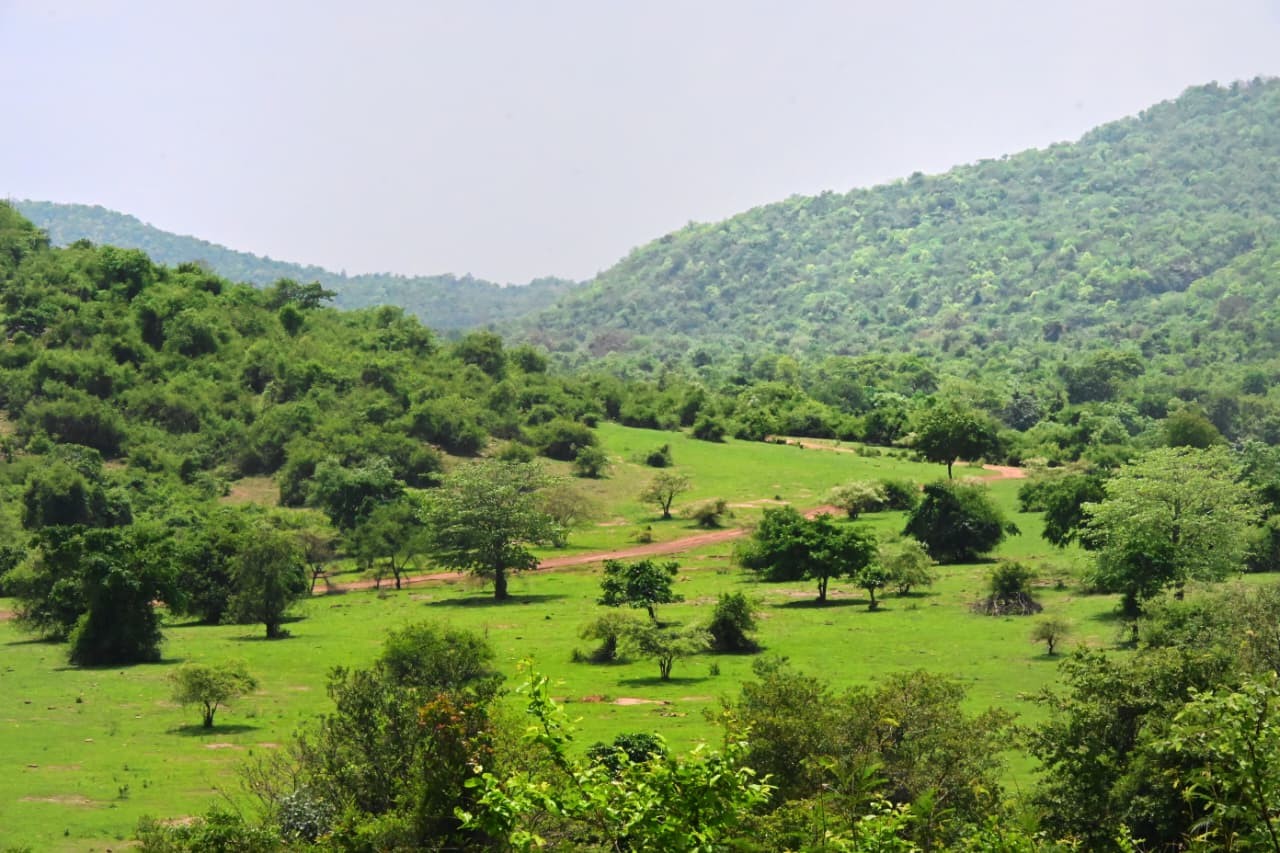
The Kaimur Wildlife Sanctuary is the largest wildlife sanctuary in the state of Bihar. It was established in 1979. Located within the Vindhya mountain range in the Kaimur and Rohtas districts, the sanctuary covers a total area of approximately 1539.86 square kilometers. The area is comprised of hills, plateaus, grasslands, and waterfalls.
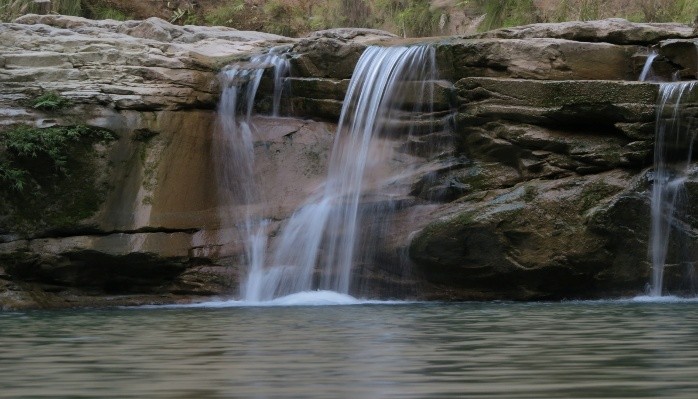
This sanctuary is located in the Kaimur Range of the Vindhya mountain range. The terrain is rugged, with dense forests, valleys, and seasonal rivers. Famous waterfalls such as Karakatgarh, Telhar Kund, Vanshikhoh, Tutla Bhawani, and Dhuan Kund attract tourists.
The vegetation here is primarily tropical dry deciduous forest. Major tree species include sal, teak, mahua, palash, jamun, and bamboo. These provide suitable habitat for wildlife.
Mammals such as leopards, bears, sambar, chital, ghorparas, and four-horned antelopes are found in the sanctuary. In addition, numerous birds and reptiles also inhabit the sanctuary.
The Kaimur region is home to prehistoric rock paintings, megalithic structures, and historical sites such as the Rohtasgarh Fort. This region is a unique blend of natural and cultural heritage.
The Kaimur Wildlife Sanctuary is an invaluable natural heritage of Bihar. It holds immense importance in terms of biodiversity, natural beauty, and conservation. This region plays a vital role in environmental protection and the development of eco-tourism.
Udaypur Wildlife Sanctuary
Udaypur Wildlife Sanctuary
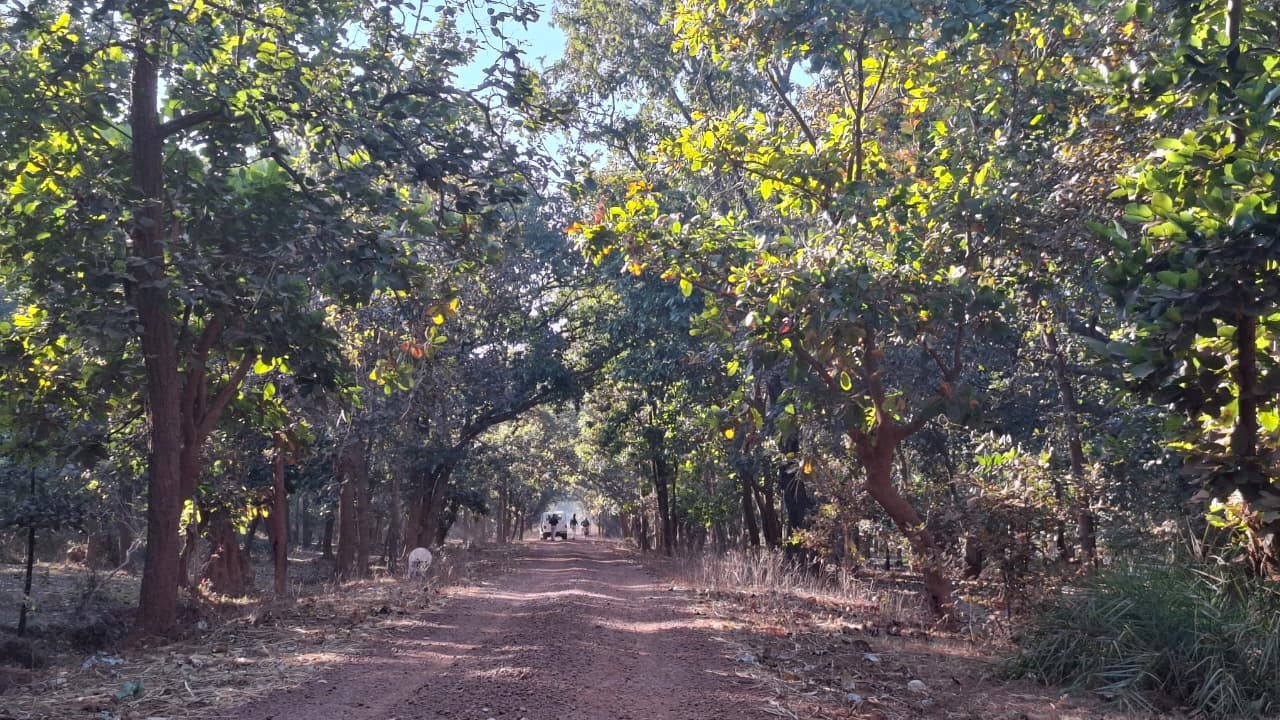
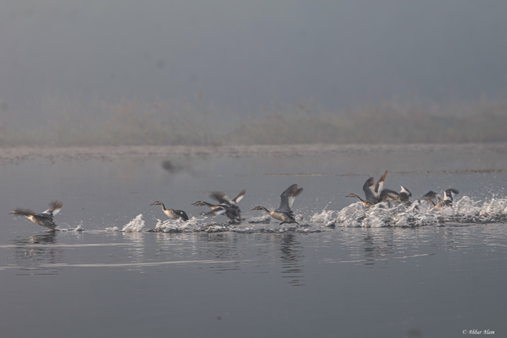
Udaipur Wildlife Sanctuary is a beautiful wildlife sanctuary located in West Champaran district of Bihar, India. Established in 1978, it spans 8.74 square km and is centered around the scenic Udaipur Jheel — an oxbow lake in the floodplain of the Gandak River.
On 13th May 2025, it was designated as a Ramsar Site (Site No. 2577), recognizing its global ecological importance. The sanctuary features swamp forests, dry riverine forests, and Khair-Sissoo woodlands. It is home to Spotted Deer, Barking Deer, Wild Boar, Blue Bull, Civet, Jungle Cat, Porcupine and over 35 species of migratory birds.
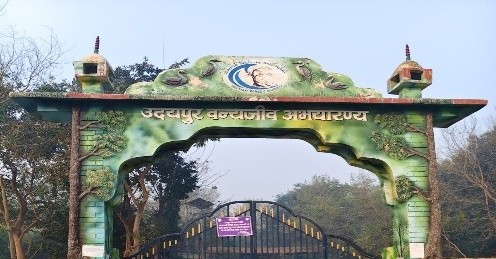
Udaipur Saraiyaman Eco-Tourism Site
The newly inaugurated Udaipur Saraiyaman Eco-Tourism Site near Bettiah offers a perfect blend of nature and recreation. Enjoy peaceful boating on Saraiyaman Lake, birdwatching, nature trails, a butterfly park, Aranya Vihar, an Interpretation Centre, and a children’s play area.
Vikramshila Gangetic Dolphin Sanctuary Bhagalpur
Vikramshila Gangetic Dolphin Sanctuary (VGDS)
The Vikramshila Gangetic Dolphin Sanctuary (VGDS) was notified on 7th August 1991 (Notification No. S.O. 382) by the Forest Department, Government of Bihar under the provisions of the Wildlife (Protection) Act, 1972. The sanctuary was established for the protection, conservation, and propagation of the endangered Gangetic dolphin, locally known as “Susu.” Located along a stretch of the Ganga River from Sultanganj to Kahalgaon in Bihar, VGDS is the only protected area in India designated exclusively for the conservation of the Gangetic dolphin, which is classified as Endangered on the IUCN Red List of Threatened Species.
Biodiversity & Ecological Importance
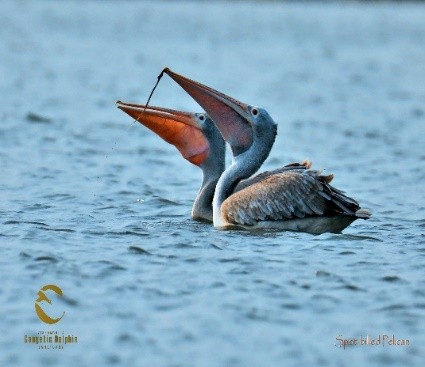
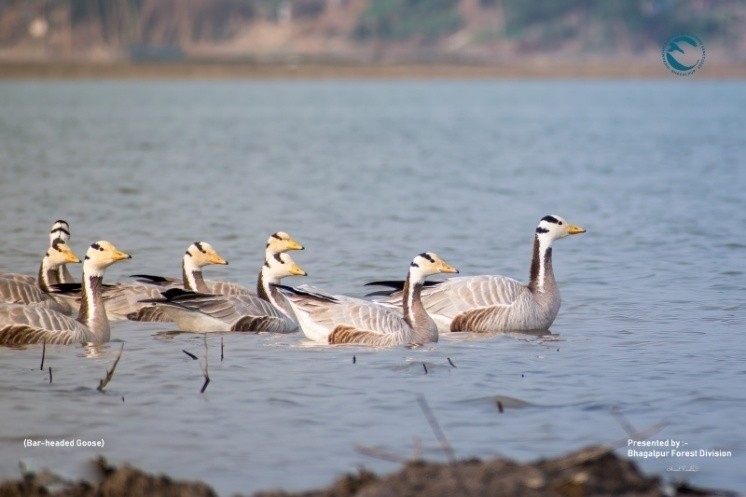
Beyond its flagship species, the sanctuary supports a rich diversity of aquatic flora and fauna. It is home to smooth-coated otters, several species of turtles, fishes and a variety of butterflies. During the winter months, the sanctuary and its surrounding wetlands become a seasonal haven for migratory birds arriving from regions such as Central Asia and Southeast Asia. VGDS stands as a vital ecological corridor and a significant conservation landscape, playing a crucial role in preserving the biodiversity of the Ganga River ecosystem.
Valmiki Tiger Reserve

Valmiki Tiger Reserve
Valmiki Tiger Reserve (VTR) forms the eastern most limit of the Himalayan Terai forests in India, and lies in the north-westernmost West Champaran district of Bihar. It is the only tiger reserve in the state. The pristine forest and wilderness of VTR is an excellent example of Himalayan Terai landscape.
Comprising both Valmiki National Park and Valmiki Wildlife Sanctuary, VTR forest area covers approximately 900 sq. km, which is about 17.4% of the total geographical area of West Champaran district.
The extensive forest area of Valmiki Tiger Reserve was previously owned by the Bettiah Raj and Ramnagar Raj until the early 1950s. It was later developed under afforestation programs and declared a tiger reserve under Project Tiger on March 11, 1994.
Scenic Landscape
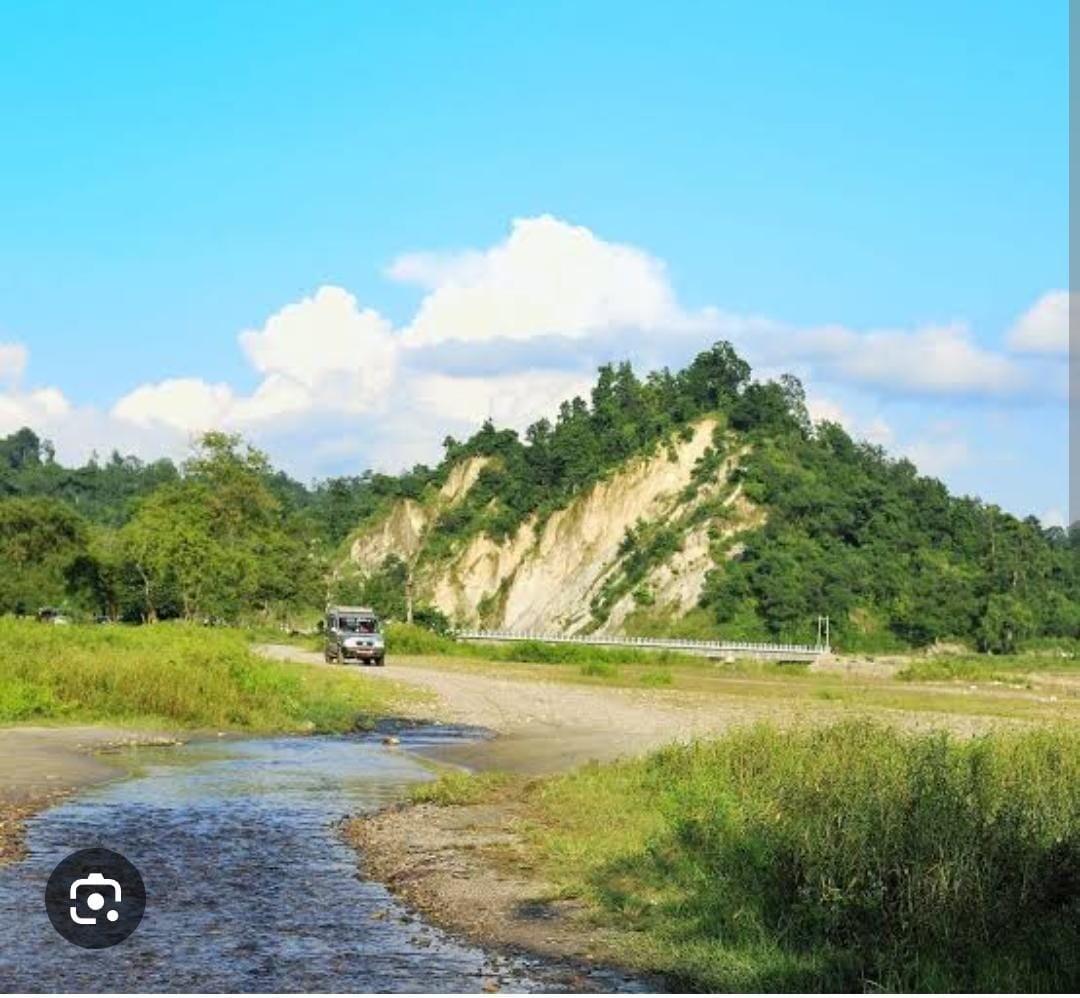
The reserve includes foothills of the Himalayan Siwaliks with cliffs, ridges, valleys, dense forests, grasslands, and rivers. The Gandak river forms its western boundary and creates a scenic landscape with streams and wetlands.
The region includes both bhabhar and terai zones, making it ecologically diverse with rivers like Harha-Masan system contributing to Burhi Gandak.

Wildlife Diversity
Mammals include Tigers, Leopards, Sloth Bears, Indian Gaur, Hyena, Wild Dogs, and various species of Deer like Sambar and Blue Bull. Rare species like Flying Squirrel and Pangolin are also found here.
Reptiles include Python, Cobra, Viper, King Cobra, Crocodiles, Gharial, and Monitor Lizard.
Over 250 species of birds are found including hornbills, pigeons, owls, and migratory birds.
Plant Diversity
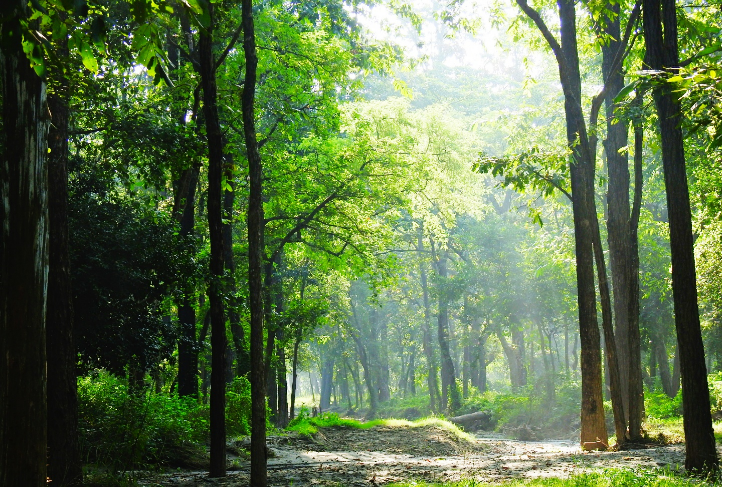
The reserve includes seven types of forests such as Sal forest, moist deciduous forest, grasslands, and swamp forest.
Common trees include Sal, Asan, Bahera, and Bamboo. Medicinal plants like Amla and Safed Musli are also found.

Tourist Attractions
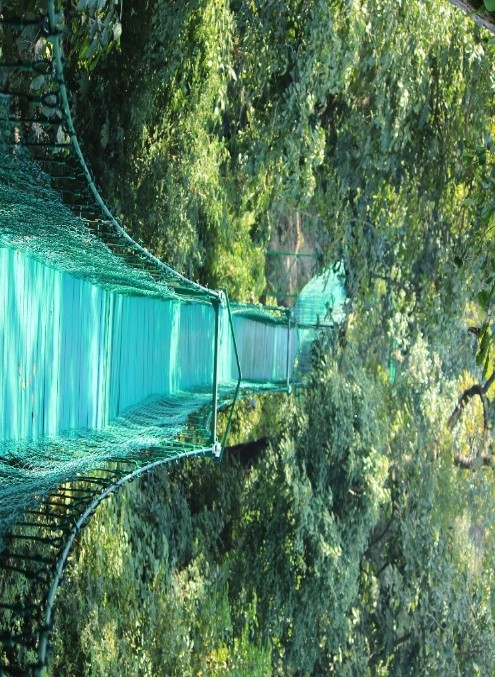
Major attractions include Bheriyari Watch Tower, Bhikhna Thori, Gandak River boating, Eco-Park, Pandai River, Lalbhitiya viewpoint, Parewa Dah, Manguraha Nature Trail, Someshwar Peak, and Kauleshwar Jhula.
Eco-Tourism Activities
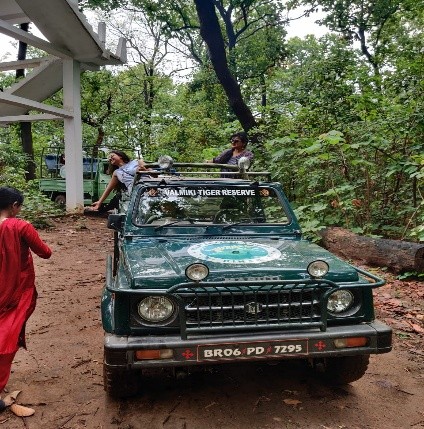
- Jungle Safari
- Eco-Park Visit
- Cycle Safari
- Motor Boat Safari in Gandak
- Nature Trails
- Cultural Programs
- Wildlife Film Shows

Accommodation
- Tharu AC Suite – 04 Rooms
- AC Suite Rooms – 06 Rooms
- AC Deluxe Rooms – 04–06 Rooms
- Tourist Hut (AC)
- Bamboo Huts
- Dormitory – 40 Beds
How to Reach
By Road: Patna → Bettiah → Valmikinagar
By Train: Nearest station Bagaha
Nearest Airport: Patna, Gorakhpur, Kushinagar
- Wear comfortable shoes for trekking and forest walks.
- Carry water and snacks, especially in remote areas.
- Respect local wildlife and forest rules.
- Visit in winter months for pleasant weather.
Bheriyari Watch Tower
This wooden watch tower is located in Bheriyari Grassland. Visitors can observe herds of herbivores and various bird species in their natural habitat.
Bhikhna Thori
A historical site once used as a resting place for Buddhist monks. It is now a popular picnic destination and holds cultural significance.
Boating in Gandak River
A major attraction where visitors can enjoy boating while observing birds and aquatic wildlife. The riverbank also offers scenic walking paths.
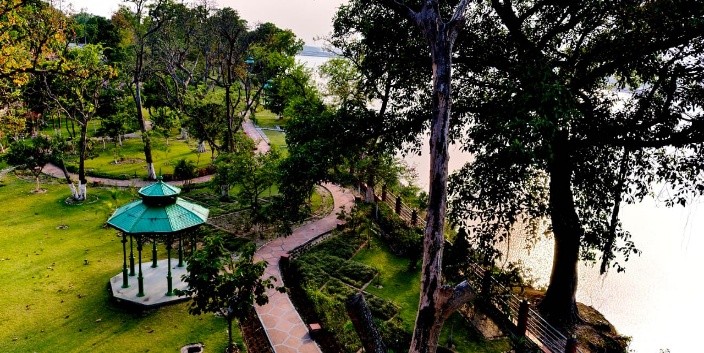
Eco Park
The eco-park at Valmikinagar offers lush greenery and recreational facilities such as walking tracks, seating areas, and play zones.
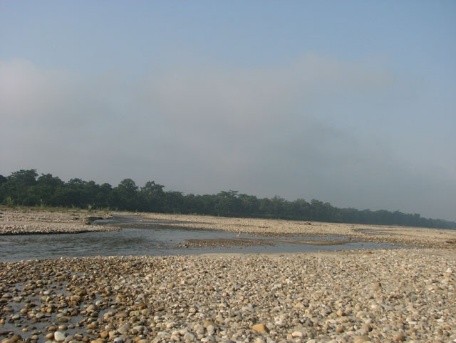
Pandai River
Known for its colorful pebbles and calm surroundings, this river attracts visitors for relaxation and scenic enjoyment.
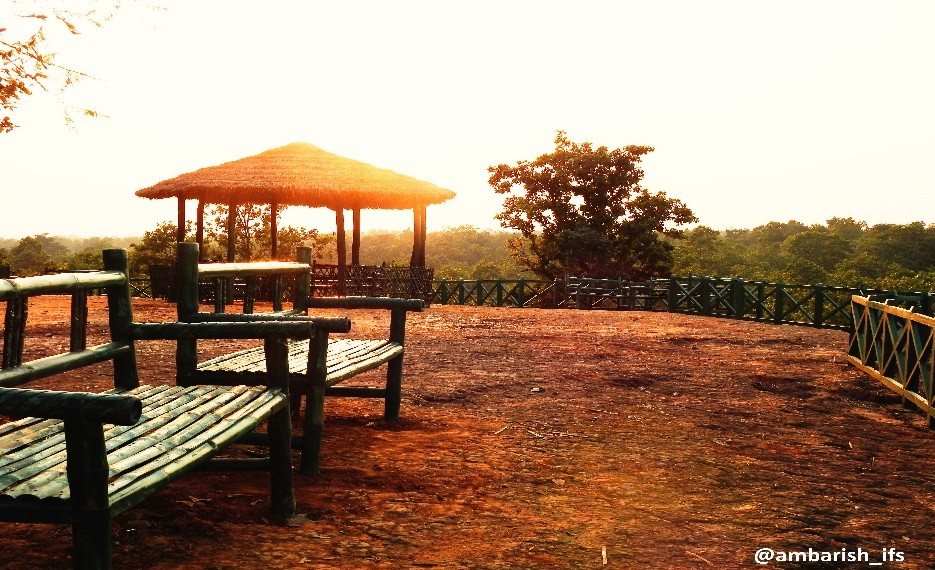
Lalbhitiya Viewpoint
A red-clay elevated viewpoint that offers a panoramic view of dense Sal forests and surrounding landscapes.
Parewa Dah
Famous for crystal-clear water and aquatic life. Birds like doves and bee-eaters are commonly seen around this area.
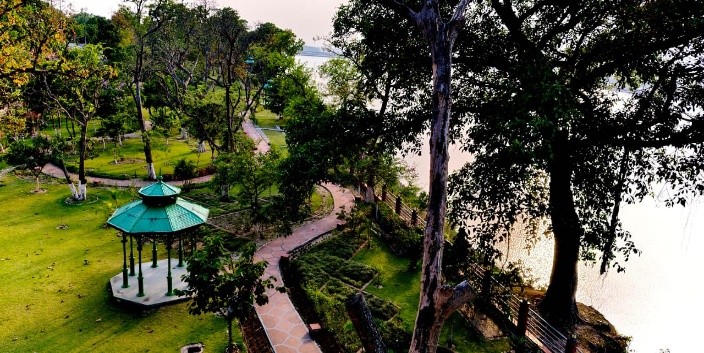
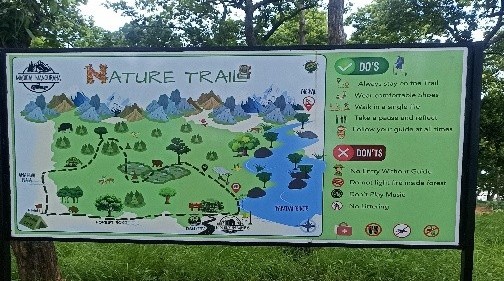
Manguraha Nature Trail
A short forest trek offering close interaction with nature. The trail includes awareness centers and wildlife-themed installations.
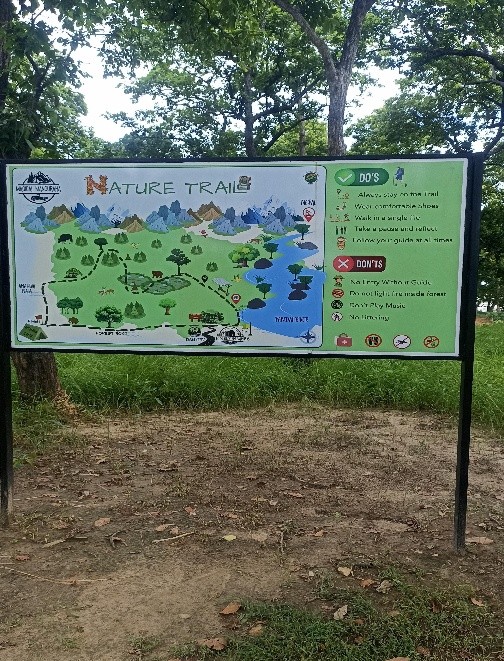
Someshwar Peak
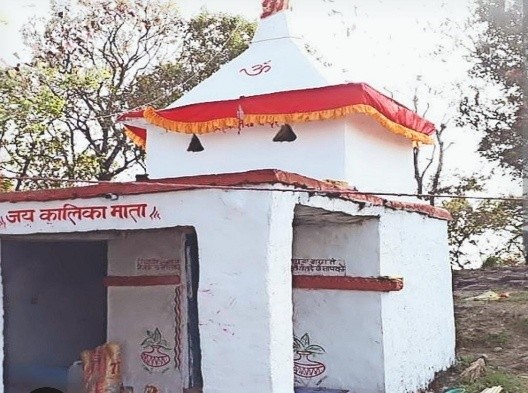
The highest peak of the reserve. It requires trekking and offers breathtaking views along with a historic temple at the summit.
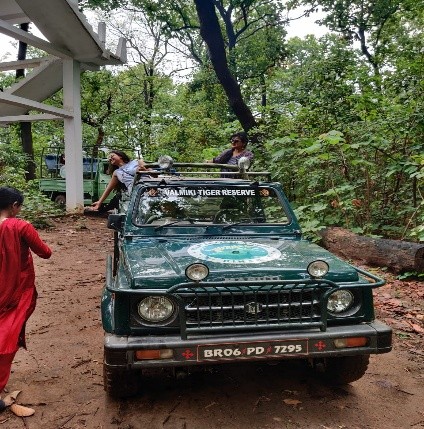
Valmikinagar Viewpoint
Offers panoramic views of Gandak Barrage and surrounding forest areas. Boating and wildlife sightings enhance the visitor experience.
Baraila Lake Salim Ali Bird Sanctuary
Baraila Lake Salim Ali Bird Sanctuary is located in Patepur and Jandaha blocks of Vaishali district. It is part of Baraila Lake whose total area is 1625.34 hectares, out of which only 197.91 hectares area is notified as Baraila Lake Salim Ali Bird Sanctuary by the Bihar government vide notification No. 11/97-83E/15 dated January 28, 1997. Notified area is distributed into 21 small isolated patches. Sanctuary is mainly a habitat of migratory birds along with various types of local birds, fish and others. It lies between the Noon and Baya Rivers, which are its major sources of water. This lake is vital resource for the area providing drinking, irrigation and livestock maintenance. It is also essential for the ecological and environmental functions of the gangetic plains. This lake and it surrounding area are home to a rich verity of flora and fauna including 59 species of migratory birds, 106 verity of local avifauna, 16 tree species, 11 shrub types and more. The local communities value the wetland very highly for its cultural services. They consider the water of the lake to be sacred and call it as ‘Jeevajour’ which means life giving water in local terms. Religious rites and ceremonies are also performed in the lake especially during Chhat puja.