

Art & Craft
Art of Bihar
Preserving culture through colors and tradition
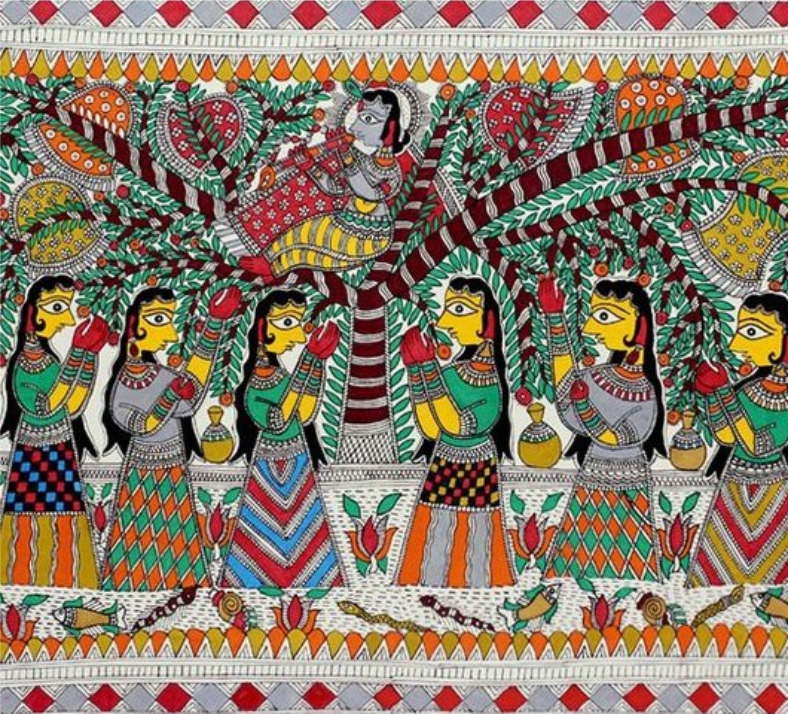
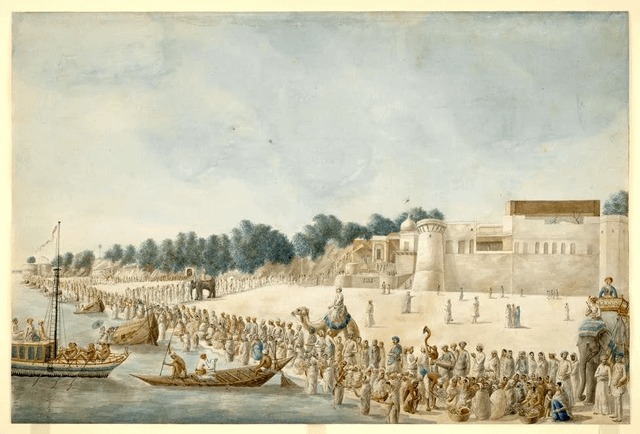
Bihar is a treasure house of classical and folk arts that have flourished for centuries. From the world-famous Madhubani paintings of Mithila to the delicate Manjusha patterns of Bhagalpur and the Mughal-inspired strokes of Patna Kalam — each art form carries stories of devotion, folklore, and everyday life.
Madhubani Painting
Famous for natural colors, bold lines, and depictions of rituals & mythology.Patna Kalam
A unique blend of Mughal finesse and local themes, painted with meticulous detail.- Recognized as a Geographical Indication (GI).
- Supports thousands of artisans and preserves cultural heritage.
Crafts of Bihar
Celebrating heritage with craftsmanship
Bihar’s crafts reflect generations of artistry, patience, and natural materials. From bamboo weaving, sikki grass craft, wood inlay, terracotta, and stone carving — every handmade piece carries a legacy of skill and cultural pride.
100+
Years of Tradition- Lac Bangles & Artistic Jewelry
- Bamboo & Sikki Craft Excellence
- Stone, Wood & Metal Carvings
-
Empowering artisan communities
-
Promoting sustainable handcrafts
The soul of Mithila expressed in colors
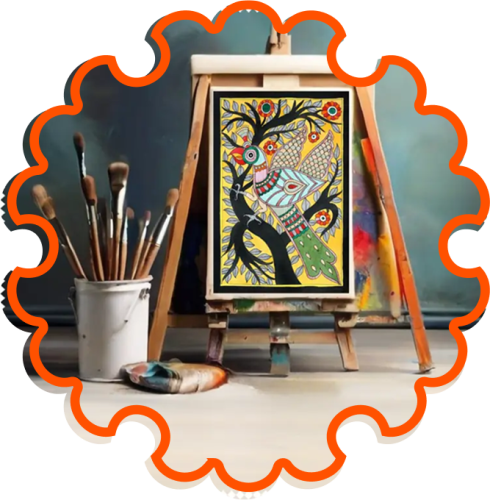
Madhubani Painting
Originating in the Mithila region, Madhubani is one of India’s oldest folk art traditions. Women of Mithila created these paintings on walls during festivals, weddings and rituals. Known for natural colors, double borders, intricate patterns and themes from Ramayana, Mahabharata and nature—Madhubani today is globally recognized and GI-tagged.
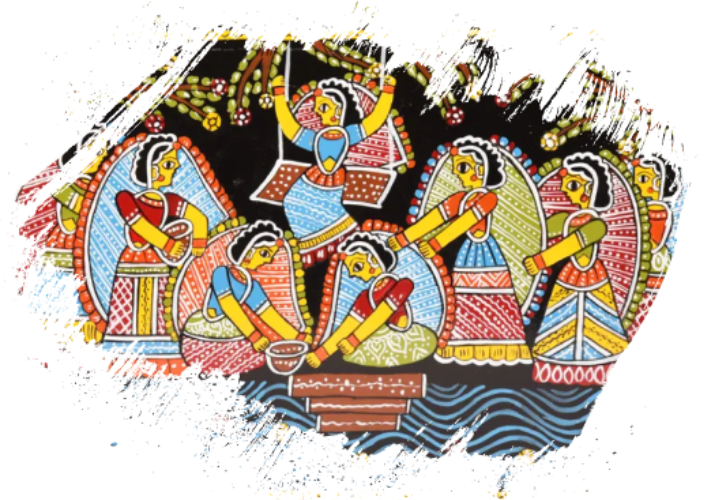
Glossy miniature art from Patna
Tikuli Art
Tikuli art dates back more than 300 years and originated in Patna. Created using hardboard, enamel paint and lacquer, it features fine detailing and a mirror-like shine. Tikuli motifs often depict festivals, women, village life and mythology. Today it is used in home décor, coasters, plates and jewellery boxes.
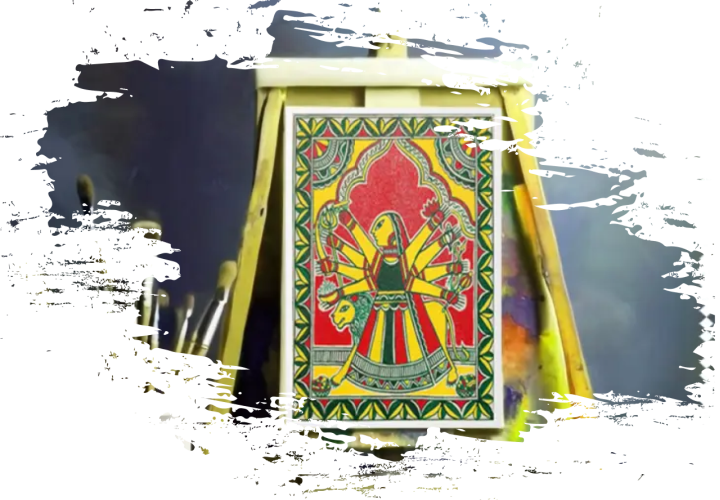
The folk art of Bihula–Bishahari
Manjusha Art
Manjusha painting from Bhagalpur is based on the epic folklore of Bihula and the Snake Goddess. Characterized by pink, yellow and green colors with bold linework, this art has a distinctive box-shaped format. Snakes, floral vines and geometric patterns are signature elements of this traditional craft.
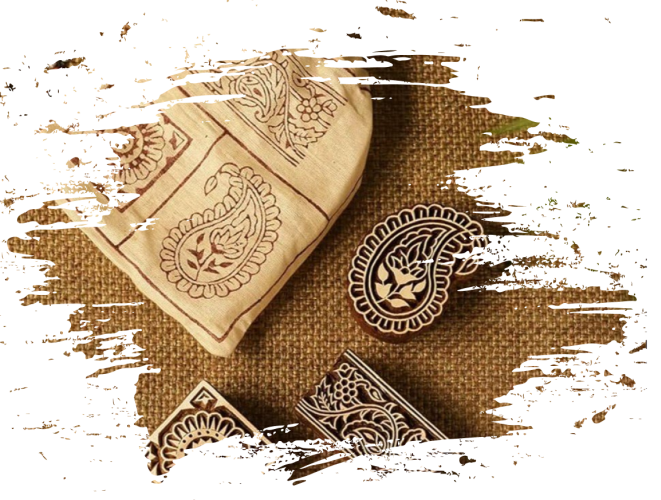
Hand-carved blocks creating heritage textiles
Block Printing Art
Bihar’s block printing tradition uses hand-engraved wooden blocks dipped in natural dyes. Floral motifs, geometric borders and Madhubani-inspired patterns are commonly printed on sarees, dupattas and home furnishings. Mithila and Bhagalpur remain vibrant centres of hand block printing even today.
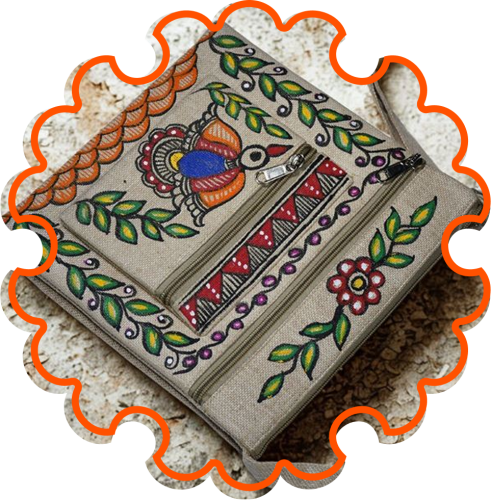
Eco-friendly crafts from Bhagalpur
Jute Art
Bihar produces premium quality jute crafts, especially in Patna, Gaya and Bhagalpur. Artisans create bags, rugs, wall décor, coasters and utility products. These crafts combine sustainability with traditional weaving techniques, making them popular globally for their natural rustic appeal.
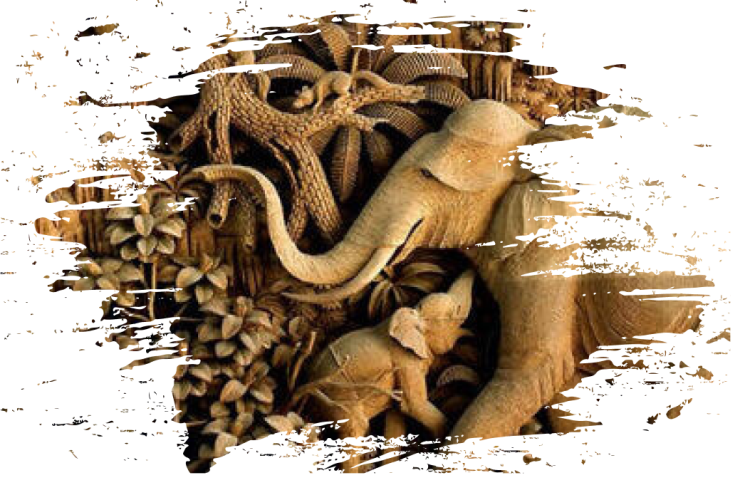
Carved with precision and heritage
Wood Art & Inlay
Woodcraft in Bihar, especially from Gaya and Patna, is renowned for carved toys, trays, wall plaques and decorative pieces. Wood inlay—using brass, metal wires and multi-colored wood—is a centuries-old craft that showcases exceptional craftsmanship and detail.
Nature woven into golden craft
Sikki & Bamboo Art
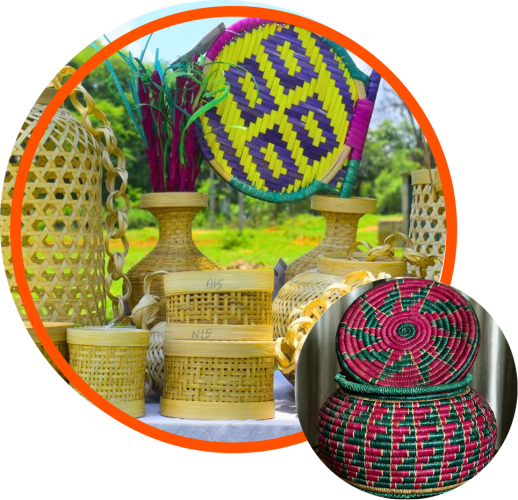
North Bihar is rich in Sikki grass, known for its natural golden color. When dyed and woven, artisans create baskets, figurines, jewelry boxes and decorative craft. Bamboo craft complements it with furniture, trays, toys and utility items—both forming the backbone of Bihar’s eco-friendly traditional crafts.
Clay molded into timeless beauty
Terracotta Art
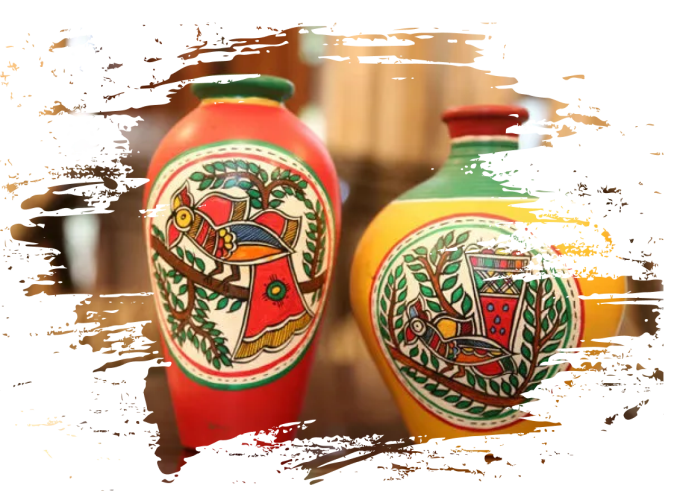
Terracotta art from Madhubani, Darbhanga and Kishanganj includes diyas, pots, figurines and handcrafted décor. Clay artisans follow traditional firing techniques that produce earthy textures and warm tones. Terracotta continues to be integral in festivals and household decorations.
Carved from the black stone of Gaya
Stone Craft of Bihar
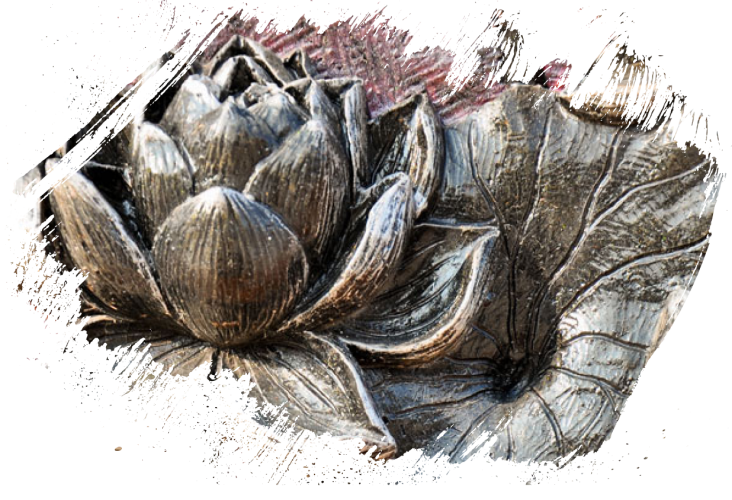
Gaya’s stone craft uses black chloritic schist to carve bowls, statues and religious sculptures. The craft has deep Buddhist and Jain roots, producing idols of Buddha, Mahavira and intricate temple pieces. Stone pottery from this region is popular among tourists and pilgrims.
Stories of Buddha & Mahavira on palm leaf
Miniature Art of Bihar
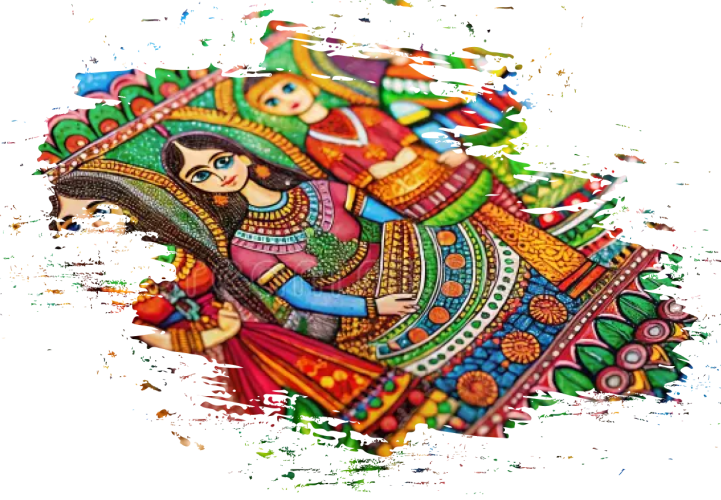
Bihar’s miniature paintings, especially from Nalanda and Bodh Gaya, depict Buddhist and Jain stories on palm leaf or handmade paper. These artworks use mineral pigments, plant dyes and gold detailing. Once created for pilgrims, these miniatures are now valuable collectibles worldwide.